
Digital assets have transformed the way we think about investment, finance, and ownership. These assets exist in a digital format, making them accessible to anyone with an internet connection. The growth of cryptocurrencies, non-fungible tokens (NFTs), and other blockchain-based assets signify a profound shift in our economic landscape.
The Rise of Cryptocurrencies
What Are Cryptocurrencies?
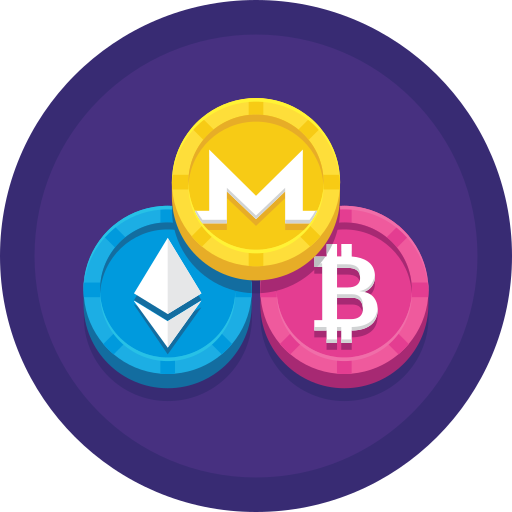
Cryptocurrencies are digital or virtual currencies that utilize cryptography for security. They operate on a technology called blockchain, which is a decentralized ledger that records all transactions across a network. The most well-known cryptocurrency is Bitcoin, but there are thousands of others known as altcoins.
Investing in Altcoins
Investing in altcoins can be a lucrative venture, providing opportunities for enhanced returns compared to traditional investments. However, this comes with unique risks. As you consider your investment options, it’s essential to research altcoins thoroughly, taking into account market trends and technology behind each coin.
Different Types of Digital Assets
Categories of Digital Assets
- Cryptocurrencies: Includes Bitcoin and various altcoins.
- Stablecoins: Pegged to traditional currencies to minimize volatility.
- Tokens: Often used in Initial Coin Offerings (ICOs) to fund new projects.
- Non-Fungible Tokens (NFTs): Unique digital items verified via blockchain technology.
How to Buy and Store Digital Assets
- Choose a reputable exchange to buy your digital assets.
- Create an account and complete the necessary verification process.
- Link your bank account or credit card for funding.
- Select the digital asset to purchase, and execute the transaction.
- Transfer your assets to a secure wallet for safekeeping.
For instant transactions, consider checking out the Instant Withdrawal Casino 2026 Quick Withdrawals to learn more about fast and secure platforms.
Benefits and Risks of Digital Assets
Pros of Investing in Digital Assets
- High potential returns: Some investors have seen massive gains from early investments.
- Decentralization: Reduces the control that central authorities have over assets.
- Accessibility: Can be traded 24/7 from anywhere in the world.
Cons to Consider
- Market Volatility: Prices can fluctuate dramatically in short periods.
- Regulatory Risks: Governments may impose restrictions on trading.
- Security Risks: Hacking and fraud can lead to significant losses.
Exploring Bitcoin Hotspots
To understand the broader context of digital assets, it’s essential to explore global hotspots for cryptocurrency activities. Buenos Aires has emerged as a leading hub, featuring various businesses that accept Bitcoin and innovative blockchain projects. This guide offers valuable reisetips for anyone looking to explore the vibrant Bitcoin scene in the city.
The Future of Digital Assets
As the digital landscape continues to evolve, digital assets are likely to become more integrated into our everyday lives. From smart contracts to decentralized finance (DeFi), the innovations driven by blockchain technology promise to reshape various industries.
For investors, staying informed about the latest trends and technologies is crucial. While the digital asset market presents opportunities, it is equally important to maintain a diverse investment portfolio that balances risk and reward.